

Vilniaus Gedimino technikos universitetas (VGTU) is a premier public institution. It is located in Vilnius, the capital of Lithuania. The university was founded in 1956. It is named after the Grand Duke Gediminas. VGTU is one of the largest technical universities in the Baltics. It serves over 11,000 students from 70 countries. The institution focuses on engineering, architecture, and IT. It offers over 45 English-taught degree programs. This creates a highly diverse and global campus.
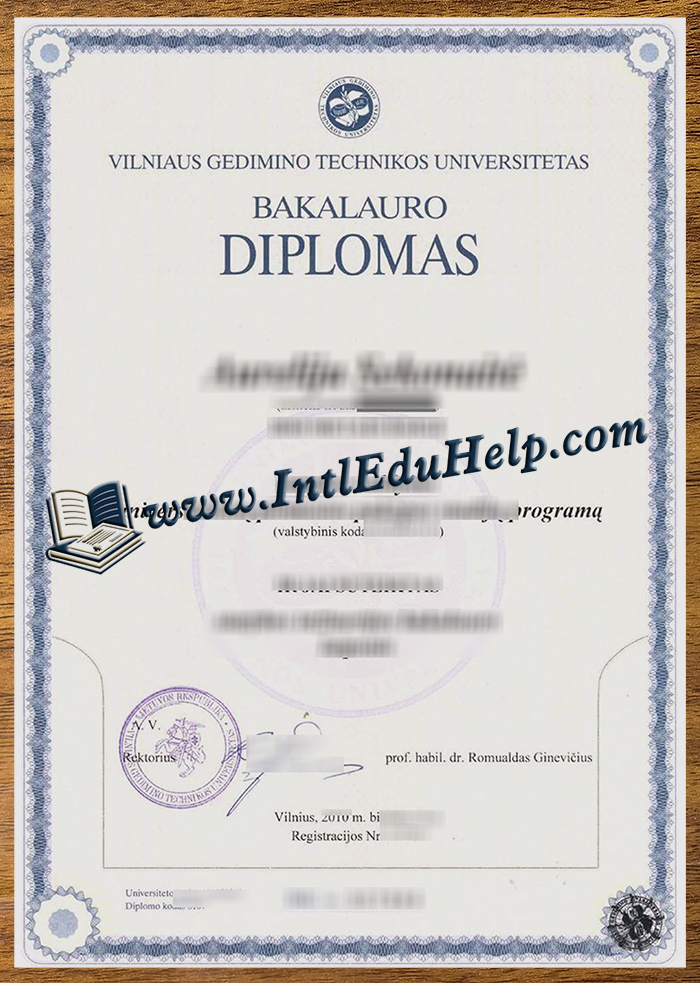
A Vilniaus Gedimino technikos universitetas diploma holds immense international value. The degree is fully recognized within the European Union. It meets strict global educational standards. The university is a member of the Erasmus+ program. This ensures seamless academic mobility across Europe. Graduates can easily pursue further studies abroad. The diploma is also recognized by the Chinese Ministry of Education. This allows for seamless degree certification.
How much to obtain a Vilniaus Gedimino technikos universitetas diploma online
The academic reputation of VGTU is highly respected. It consistently ranks in the QS Top 1000. Its civil engineering program ranks globally between 51 and 100. The architecture program also ranks in the global top 150. The university maintains over 480 international partnerships. Students gain extensive hands-on experience. This practical training makes graduates highly sought after.
VGTU offers exceptional affordability for international students. Annual tuition fees range from €2,700 to €4,500. Monthly living costs in Vilnius are very reasonable. Students typically spend around €400 to €600 per month. This makes it a highly budget-friendly European destination.
A VGTU diploma is a strategic career asset. It opens doors to global engineering and tech sectors. The university has strong industry connections. Graduates can easily find employment in top firms. Others succeed in sustainable energy and aviation. Ultimately, VGTU provides a high-quality European education. It perfectly balances academic rigor and financial accessibility.